


Description
Hemodynamics Explained for the Bedside
Hemodynamic monitoring is more than memorizing normal values.It is about understanding how the values we collect, noninvasive and invasive alike, can be measured, monitored, interpreted, and integrated into management. Our whole goal with this pocket guide was to take what can be intimidating and make it make sense.
The Oakes Hemodynamic Monitoring Pocket Guide organizes these challenging concepts into a practical, clinically focused reference you can use while studying, preparing for critical care, or caring for patients at the bedside.
This set includes:
- Hemodynamic Monitoring Pocket Guide
- Companion Hemodynamic Monitoring Study Guide
Understand the Numbers—Then Connect Them to the Patient
This guide helps you move beyond isolated measurements and understand the larger clinical picture. You will learn how hemodynamic values are obtained, what abnormal findings may indicate, and how those findings relate to cardiopulmonary physiology and disease.
Use it to strengthen your understanding of:
- Preload, afterload, contractility, and cardiac performance
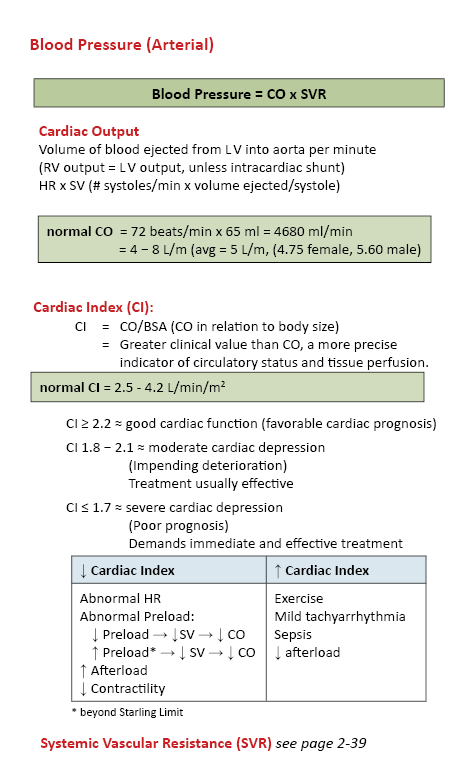
- Cardiac output and cardiac index
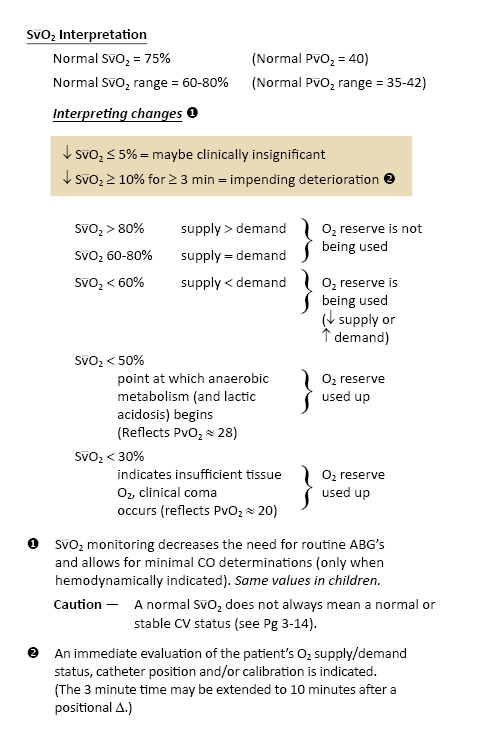
- Oxygen delivery, oxygen consumption, and tissue oxygenation
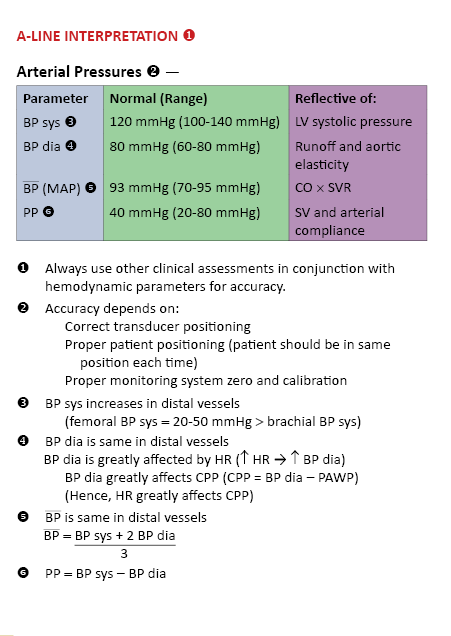
- Arterial pressure monitoring and arterial waveforms
- Central venous pressure and central venous monitoring
- Pulmonary artery pressures and pulmonary artery catheters
- Blood sampling and interpretation
- Invasive and noninvasive hemodynamic parameters
- Shock states and disease-related hemodynamic changes
- Intra-aortic balloon pump principles
Designed for Fast Clinical Reference
Clear explanations, interpretation guides, waveform information, normal values, and summary tables make it easier to find the information you need without searching through a full-size textbook.
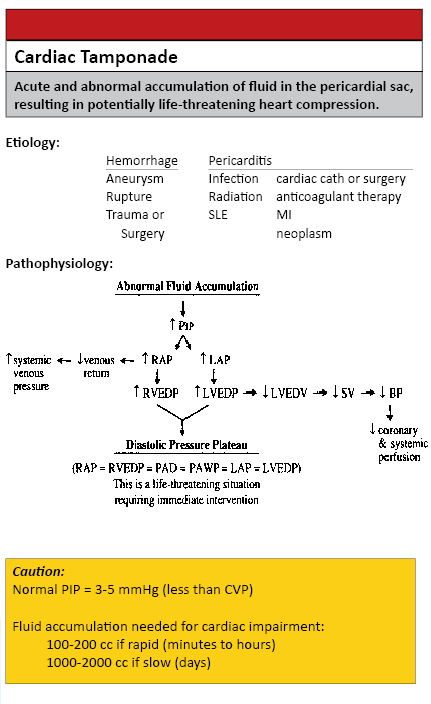
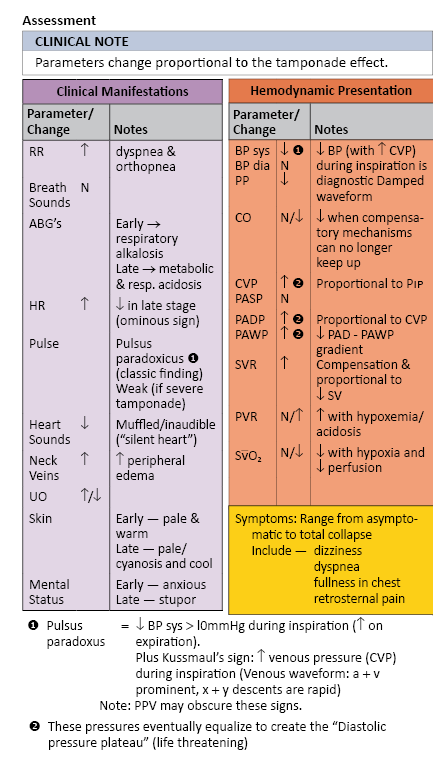
The guide also includes more than 50 pages devoted to disease-specific hemodynamic changes, with major sections addressing shock and cardiovascular disease.
Ideal For
- Respiratory therapists
- Respiratory therapy students
- Critical care and ICU nurses
- Adult critical care exam preparation
- ECMO and advanced critical care clinicians
- Educators teaching cardiopulmonary physiology or hemodynamics
- Clinicians transitioning into an ICU environment
What You Will Find Inside
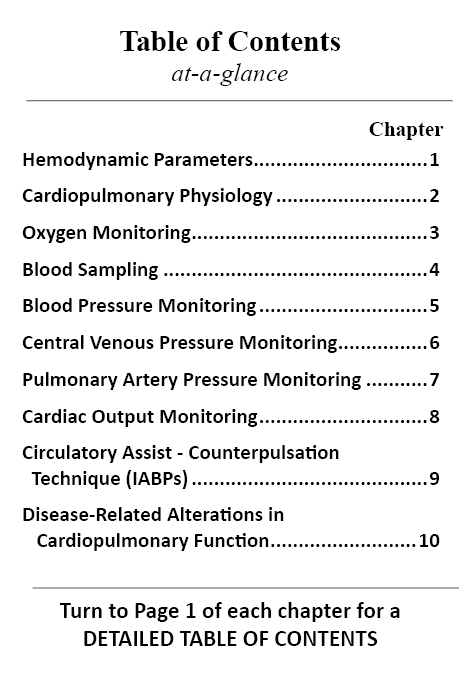
- Chapter 1: Hemodynamic Parameters
- Chapter 2: Cardiopulmonary Physiology
- Chapter 3: Blood Sampling
- Chapter 4: Central Venous Pressure
- Chapter 5: Pulmonary Artery Pressure
- Chapter 6: Cardiac Output Monitoring
- Chapter 7: Circulatory Assist and Intra-Aortic Balloon Pump Techniques
- Chapter 8: Disease-Related Alterations in Cardiopulmonary Function
Why Clinicians Choose Oakes Pocket Guides
Oakes Pocket Guides are written by respiratory therapists for practical clinical use. The goal is not simply to give you more information—it is to organize the information so that it becomes easier to understand, remember, and apply.
Stop looking at hemodynamic values as isolated numbers. Learn to recognize the physiologic story they are telling you.
Product Details
- Softcover, perfect-bound format
- Current 6th Edition
- Authors: Dana Oakes, RRT-NPS and Scot Jones, RRT-ACCS
- ISBN: 978-0-932-887-56-6
Hemodynamic physiology remains foundational to critical care practice. This guide emphasizes the core principles, measurements, waveforms, and interpretation skills clinicians use when evaluating cardiopulmonary function.
Payment & Security
Your payment information is processed securely. We do not store credit card details nor have access to your credit card information.